
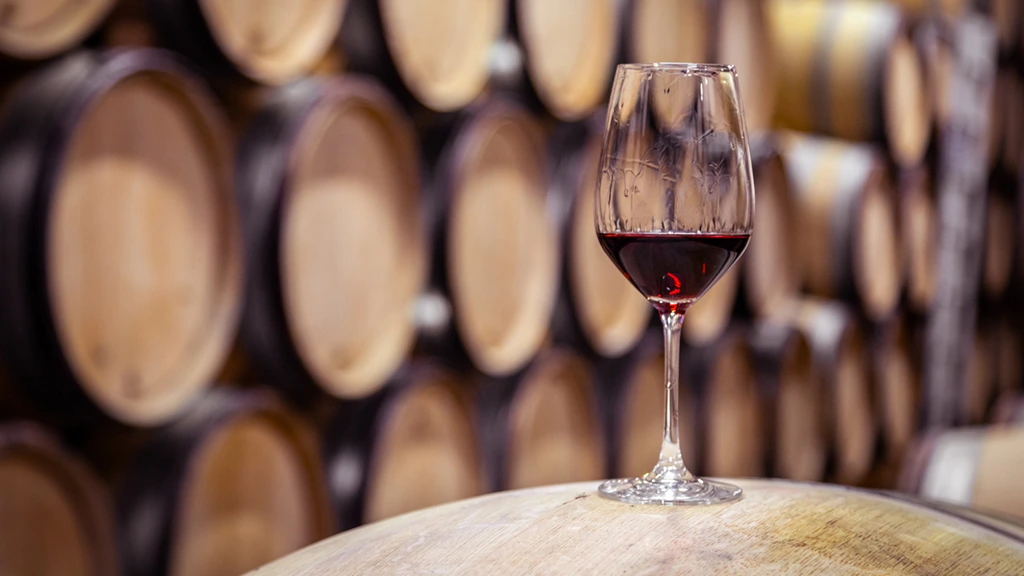
A barrel is much more than just a wooden container used by producers. It is a silent ingredient that works 24/7, breathing with the wine and shaping its character before it ever reaches a bottle. Understanding the wood is the key to understanding why some of the world’s greatest wines have such a distinctive structure.
The Science of the "Breath"
The magic of wood lies in its porosity. This allows for micro-oxygenation: a tiny, controlled amount of air interacts with the wine through the staves. This slow process helps soften the tannins and stabilizes the color, turning a "rough" young wine into a polished and elegant masterpiece.
The "Spice Rack": Different Types of Oak
The choice of the tree in the forest completely changes the "flavor profile" of the final wine:
- French Oak: Known for elegance. It has a tight grain that imparts silky tannins and sophisticated notes of vanilla, cloves, and toasted bread.
- American Oak: The bold choice. It is more intense and sweet, often adding recognizable notes of coconut, dill, and cream.
- Slavonian Oak: A staple of Italian tradition. These large casks are often neutral and respectful, allowing the pure fruit of varieties like Sangiovese or Nebbiolo to shine with minimal oak influence.
Size Matters: Barriques vs. Large Casks
The size of the vessel determines the "ratio" between the wine and the wood, influencing how the wine evolves:
- The Barrique (225 Liters): Small and powerful. Because a larger percentage of the wine is in contact with the wood surface, the influence of the oak is more direct and the evolution is faster.
- The Tonneau (500-700 Liters): The balanced middle ground. It offers the benefits of oxygenation while keeping the fruit profile more subtle and nuanced.
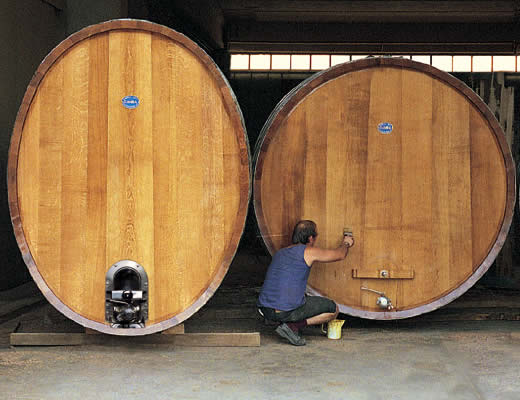
- Large Casks (Botti Tradizionali): These giants (from 1,000 to over 5,000 liters) are the masters of thermal inertia and varietal purity. Because the ratio of wood surface to wine volume is so low, the oak doesn't "flavor" the wine with spicy notes. Instead, it acts as a slow-motion lung. It protects the wine from temperature spikes and allows the secondary aromas to develop without masking the original scent of the grape and the soil.
The Toast: Fire as a Tool
During construction, coopers "toast" the inside of the barrel with fire. A light toast respects the fruit and adds structure, while a heavy toast creates darker, more intense notes of coffee, smoke, and dark chocolate.
The Final Verdict
In the best wines, wood acts as a frame, not as the main subject. Whether a producer chooses a small French barrique or a massive traditional cask, the goal is always balance. Next time you enjoy a glass with a velvety texture or a hint of spice, you’re tasting the result of this ancient partnership between nature and craftsmanship.